
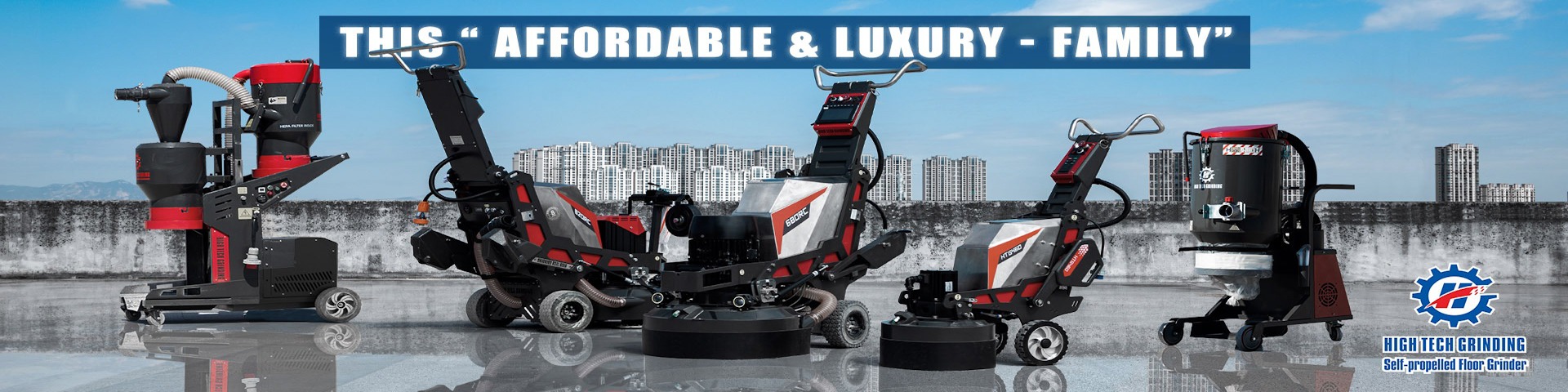

Современные технологии полировки для идеальной поверхности
В современном мире качество поверхности играет ключевую роль в различных отраслях, от автомобильной промышленности до строительства и высокотехнологичного производства. Идеальная поверхность не только эстетически привлекательна, но и функциональна, обеспечивая долговечность, устойчивость к износу и улучшенные эксплуатационные характеристики. Благодаря rapid advancements in technology, методы полировки эволюционировали от простых ручных techniques до sophisticated automated systems, способных достигать микроскопической точности. В этой статье мы explore the latest polishing technologies, их benefits, applications, and how они can help you achieve that flawless finish. Whether вы professional in the field or a hobbyist, understanding these innovations is essential for staying competitive and efficient.
Введение в полировку и её важность
Полировка – это процесс обработки поверхности для придания ей гладкости, блеска и uniformity. Исторически, полировка used simple abrasives and manual labor, но с течением времени она transformed into a high-tech discipline. Importance of идеальной поверхности cannot be overstated. В automotive industry, например, polished surfaces reduce drag, improve fuel efficiency, and enhance appearance. В медицинской field, polished surgical instruments minimize bacterial adhesion and improve safety. В electronics, polished components ensure better conductivity and reliability. Таким образом, investing in modern polishing technologies is not just about aesthetics; it's about performance, safety, and sustainability.
Типы современных технологий полировки
Modern polishing can be categorized into several types, each with its own advantages and specific applications. Основные категории include mechanical polishing, chemical polishing, electrochemical polishing, and laser polishing.
- Mechanical Polishing: Использует abrasive materials like diamonds or ceramics to remove surface imperfections. Advanced versions include robotic systems with precision control.
- Chemical Polishing: Involves chemical solutions to etch and smooth surfaces, ideal for complex shapes where mechanical methods might fail.
- Electrochemical Polishing: Combines electrical current with chemistry to achieve ultra-smooth finishes, commonly used for metals in aerospace and medical devices.
- Laser Polishing: Employs laser beams to melt and re-solidify the surface layer, resulting in nanometer-level smoothness without contact, perfect for delicate materials.
Each technology offers unique benefits, such as reduced processing time, higher precision, and environmental friendliness. For instance, laser polishing eliminates the need for consumables like abrasives, reducing waste and costs.
Преимущества современных методов полировки
Adopting contemporary polishing techniques brings numerous advantages. Firstly, они significantly improve surface quality, achieving Ra values (roughness average) below 0.1 micrometers, which is crucial for applications like optical lenses or semiconductor wafers. Secondly, modern methods are more efficient; automated systems can polish large areas quickly with consistent results, boosting productivity. Thirdly, они enhance sustainability by minimizing material waste and energy consumption. For example, electrochemical polishing uses less energy compared to traditional grinding. Additionally, these technologies reduce human error and labor costs through automation and AI integration. Ultimately, this leads to higher product quality, customer satisfaction, and competitive edge in the market.
Применение в различных отраслях
Modern polishing technologies find applications across diverse sectors. В automotive industry, они used for polishing car bodies, wheels, and engine components to improve aesthetics and performance. В construction, polished concrete floors are popular for their durability and sleek look. В aerospace, critical parts like turbine blades are polished to reduce friction and increase efficiency. В healthcare, surgical tools and implants are polished to prevent infections and ensure biocompatibility. В electronics, silicon wafers and connectors are polished for optimal electrical performance. Even in consumer goods, such as smartphones and jewelry, polishing adds value and appeal. The versatility of these technologies makes them indispensable in today's industrial landscape.
Как выбрать правильную технологию полировки
Selecting the appropriate polishing method depends on factors like material type, desired finish, budget, and production volume. For hard materials like metals, mechanical or electrochemical polishing might be best. For delicate materials like plastics or ceramics, chemical or laser polishing could be more suitable. Consider the surface area: large surfaces benefit from automated systems, while small, intricate parts may require manual or robotic assistance. Also, evaluate environmental impact; methods like laser polishing are greener as they produce no waste. Consulting with experts and conducting trials can help determine the optimal approach. Investing in training and equipment maintenance is also key to long-term success.
Будущие тенденции в технологиях полировки
The future of polishing is bright with emerging trends. AI and machine learning are being integrated to optimize processes in real-time, predicting wear and adjusting parameters automatically. Nanotechnology is enabling polishing at the atomic level, opening doors for quantum computing and advanced materials. Sustainability is a major driver, with developments in eco-friendly abrasives and energy-efficient systems. Additionally, 3D printing is combining with polishing to create finished products directly from digital models. As industries demand higher precision and efficiency, we can expect further innovations, such as hybrid methods that combine multiple techniques for superior results. Staying updated with these trends will be crucial for businesses aiming to lead in their fields.
Заключение
В заключение, современные технологии полировки revolutionize how we achieve ideal surfaces, offering precision, efficiency, and sustainability. От mechanical to laser-based methods, эти innovations cater to a wide range of applications, from cars to medical devices. By understanding and adopting these technologies, businesses can enhance product quality, reduce costs, and meet evolving market demands. As we look to the future, continued advancements promise even greater capabilities. If you're looking to upgrade your polishing processes, now is the time to explore these options. For professional advice and solutions, contact experts in the field to ensure you get the best results. Remember, a perfect surface isn't just a finish—it's a foundation for excellence.
Эта статья предоставлена в informational purposes. Always consult with professionals for specific applications.