
Искусство шлифования в промышленности
Шлифование – это не просто технический процесс, а истинное искусство, которое играет ключевую роль в современной промышленности. От точности и качества шлифования зависит успех множества отраслей, от машиностроения и аэрокосмической индустрии до производства электроники и медицинских устройств. В этой статье мы глубоко погрузимся в мир шлифования, исследуя его историю, технологии, важность и будущие тенденции, чтобы показать, как это искусство продолжает формировать наше промышленное будущее.
Исторический контекст: от древности до современности
Шлифование имеет долгую и богатую историю, уходящую корнями в древние времена. Первые свидетельства шлифования можно найти в каменном веке, когда люди использовали примитивные инструменты для заточки камней и создания орудий труда. С развитием цивилизации, в Древнем Египте и Риме, шлифование стало применяться для обработки металлов и камня, что способствовало созданию сложных архитектурных сооружений и оружия. В средние века, с появлением водяных мельниц, процесс шлифования стал более механизированным, что позволило повысить точность и эффективность.
Промышленная революция XVIII века стала переломным моментом для шлифования. Изобретение парового двигателя и развитие металлообрабатывающих станков привели к созданию первых шлифовальных машин. В XIX веке, с появлением абразивных материалов, таких как наждак и карбид кремния, шлифование стало более универсальным и точным. XX век принес дальнейшие инновации, включая развитие алмазных и кубических нитрид бора (CBN) абразивов, а также компьютеризированных систем управления, что превратило шлифование в высокотехнологичный процесс.
Сегодня, в эпоху цифровизации и Industry 4.0, шлифование продолжает эволюционировать. Современные технологии, такие как роботизированная автоматизация, искусственный интеллект и интернет вещей (IoT), интегрируются в шлифовальные процессы, обеспечивая беспрецедентную точность, эффективность и адаптивность. Это искусство, которое прошло путь от ручного труда к интеллектуальным системам, остается незаменимым в промышленности.
Основные технологии шлифования: методы и инструменты
В промышленности существует множество методов шлифования, каждый из которых предназначен для конкретных задач и материалов. Наиболее распространенные методы включают плоское шлифование, круглое шлифование, внутреннее шлифование и бесцентровое шлифование. Плоское шлифование используется для создания плоских поверхностей с высокой точностью, часто применяется в производстве штампов и пресс-форм. Круглое шлифование идеально подходит для обработки цилиндрических деталей, таких как валы и подшипники, обеспечивая excellent roundness and surface finish.
Внутреннее шлифование focuses on the internal surfaces of holes and bores, commonly used in automotive and aerospace industries for engine components. Бесцентровое шлифование позволяет обрабатывать длинные и тонкие детали без использования центров, что повышает производительность и reduces setup times. Кроме того, существуют специализированные методы, такие as creep-feed grinding for heavy stock removal and electrochemical grinding for hard and brittle materials.
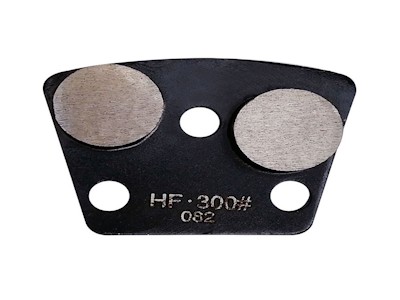
Ключевыми инструментами в шлифовании являются абразивные материалы. Традиционные абразивы, такие как оксид алюминия и карбид кремния, широко используются для обработки сталей и чугунов. Однако, для более твердых материалов, like hardened steels and ceramics, superabrasives such as diamond and CBN are preferred due to their superior hardness and wear resistance. Шлифовальные круги, ленты, и головки из этих материалов designed to provide optimal cutting performance and longevity.
Современные шлифовальные станки оснащены advanced control systems, including CNC (Computer Numerical Control), which allow for precise programming of grinding parameters such as speed, feed, and depth of cut. Sensors and monitoring systems integrated into these machines enable real-time feedback and adaptive control, ensuring consistent quality and reducing the risk of defects. Additionally, cooling systems using cutting fluids are essential to manage heat generation and prevent thermal damage to the workpiece.
Важность шлифования для качества продукции
Качество продукции является критическим фактором в любой промышленной отрасли, и шлифование играет pivotal role in achieving high standards. The primary goal of grinding is to produce surfaces with tight tolerances, excellent finish, and minimal defects. This is particularly important in industries where component performance and reliability are paramount, such as automotive, aerospace, and medical devices.
In the automotive industry, for example, grinding is used to finish engine components like crankshafts and camshafts, where precise dimensions and smooth surfaces are essential for reducing friction and wear. Similarly, in aerospace, turbine blades and landing gear components undergo grinding to ensure they meet strict safety and performance requirements. In the medical field, surgical instruments and implants require impeccable surface quality to prevent contamination and ensure biocompatibility.
Шлифование также contributes to the overall efficiency and cost-effectiveness of manufacturing processes. By removing material quickly and accurately, grinding reduces the need for secondary operations and minimizes waste. Advanced grinding techniques, such as high-speed grinding and ultra-precision grinding, enable manufacturers to achieve higher productivity while maintaining quality. Moreover, the ability to grind a wide range of materials, from metals and ceramics to composites, makes it a versatile process adaptable to various applications.
However, challenges such as thermal damage, wheel wear, and surface integrity must be carefully managed. Innovations in cooling technologies, wheel design, and process optimization continue to address these issues, ensuring that grinding remains a reliable method for enhancing product quality.
Инновации и будущие тенденции в шлифовании
Будущее шлифования тесно связано с technological advancements and evolving industry demands. One of the most significant trends is the integration of digital technologies. Industry 4.0 concepts, such as IoT and big data analytics, are being applied to grinding processes to enable predictive maintenance, optimize performance, and reduce downtime. Smart grinding machines equipped with sensors can monitor conditions in real-time, adjusting parameters automatically to compensate for wheel wear or changes in material properties.
Artificial intelligence (AI) and machine learning are also making inroads into grinding. AI algorithms can analyze grinding data to identify patterns and predict outcomes, leading to more efficient process planning and quality control. For instance, AI can help in selecting the optimal grinding parameters for a specific material or detect anomalies that might indicate potential defects.
Another emerging trend is the development of sustainable grinding practices. As environmental concerns grow, manufacturers are seeking ways to reduce the ecological footprint of grinding processes. This includes the use of biodegradable cutting fluids, energy-efficient machines, and recycling of abrasive materials. Additionally, dry grinding and minimum quantity lubrication (MQL) techniques are gaining popularity as they minimize fluid usage and waste.
Advancements in abrasive materials are also shaping the future of grinding. Researchers are exploring new superabrasives and composite materials that offer longer life and better performance. For example, nanostructured abrasives and hybrid wheels combining different abrasive types are being developed to handle complex grinding tasks with higher efficiency.
Looking ahead, the art of grinding will continue to evolve, driven by innovations in automation, materials science, and sustainability. As industries strive for greater precision, efficiency, and environmental responsibility, grinding will remain a cornerstone of modern manufacturing, adapting to new challenges and opportunities.
Заключение: искусство, которое движет прогрессом
В заключение, шлифование – это much more than a mechanical process; it is an art that has been refined over centuries to meet the demands of modern industry. From its humble beginnings in ancient times to the high-tech processes of today, grinding has consistently played a vital role in shaping products and driving innovation. Its importance in ensuring quality, efficiency, and versatility cannot be overstated.
As we move forward, the continued integration of digital technologies, sustainable practices, and advanced materials will further enhance the capabilities of grinding. This art will not only support existing industries but also enable new applications in fields such as renewable energy, nanotechnology, and beyond. By embracing these advancements, manufacturers can unlock new levels of performance and competitiveness.
Ultimately, the art of grinding is a testament to human ingenuity and the relentless pursuit of perfection. It reminds us that even in an age of automation and AI, the skilled touch and creative problem-solving inherent in grinding remain invaluable. Let us continue to celebrate and advance this art, ensuring that it continues to drive industrial progress for generations to come.